Agile Development: Faster Delivery and Lower Costs

In today’s competitive digital landscape, organizations are under constant pressure to innovate quickly while keeping development costs under control. Traditional project management methods – often rigid and documentation – heavy – struggle to keep up with rapidly changing customer needs. This is where Agile development shines.
Agile has transformed how teams build software, offering a flexible, collaborative, and iterative framework that leads to faster delivery, lower costs, and better-quality outcomes. Let’s explore how Agile achieves these advantages and why it has become the go-to methodology for modern development teams.
What Is Agile Development?
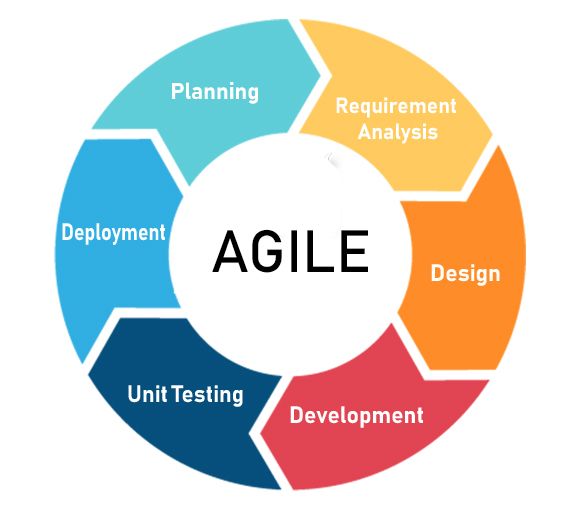
Agile development is an iterative and incremental approach to software delivery that emphasizes:
- Continuous collaboration between cross-functional teams
- Frequent releases of working software
- Responsiveness to change over rigid planning
- Customer involvement throughout the lifecycle
Instead of delivering one large product at the end, Agile teams create small, functional increments. These “sprints” (typically 1–4 weeks long) allow rapid feedback and consistent improvement.
How Agile Enables Faster Delivery
1. Short Development Cycles
Agile breaks down large projects into manageable sprints. Each sprint results in a functional product increment, reducing time-to-market significantly.
2. Continuous Feedback
Regular reviews with stakeholders ensure issues are caught early and improvements are made instantly—eliminating lengthy rework cycles.
3. Prioritized Backlogs
Agile teams focus on delivering the most valuable features first. This allows companies to launch earlier and add enhancements over time.
4. Reduced Bottlenecks
Daily stand-ups and transparent workflows quickly surface blockers and allow teams to adapt in real time.
Result: Products reach users faster, and businesses can respond quickly to market demands.
How Agile Reduces Development Costs
1. Less Rework
Frequent testing and feedback during sprints ensure fewer defects at the end of the project, which significantly lowers post-release costs.
2. Focus on Value
Teams invest time only on features that offer measurable business value, reducing wasteful development.
3. Early Risk Detection
Agile reveals potential risks early—whether technical, financial, or operational—preventing expensive last-minute surprises.
4. Better Team Utilization
Agile promotes shared ownership and cross-functional collaboration, reducing dependency on costly external resources.
5. Continuous Improvement
Retrospectives help teams identify inefficiencies and optimize processes—saving time and money over the long term.
Result: Organizations avoid unnecessary work, lower labor costs, and maximize productivity.
Additional Benefits of Agile Development
Higher-Quality Products
Agile integrates continuous testing, peer reviews, and iterative improvements, resulting in more stable, reliable software.
Greater Transparency
Stakeholders gain visibility into progress, risks, and timelines—building trust and reducing communication gaps.
Improved Team Morale
Agile empowers teams, encourages communication, and fosters a culture of ownership and accountability.
Better Customer Satisfaction
Because customers see working versions early and provide input, the final product is more aligned with their expectations.
Is Agile Right for Your Organization?
Agile can benefit:
- Startups seeking rapid product iterations
- Enterprises undergoing digital transformation
- Remote or distributed teams
- Projects with evolving requirements
- Businesses looking to minimize risk and optimize costs
If your environment is fast-paced and innovation-driven, adopting Agile can be a game-changing move.
Conclusion
Agile development isn’t just a methodology—it’s a mindset that empowers teams to deliver value quickly and affordably. By embracing collaboration, transparency, adaptability, and continuous improvement, organizations can achieve faster delivery, lower costs, and superior outcomes.
In a world where customer expectations evolve constantly, Agile provides the flexibility and speed needed to stay ahead.