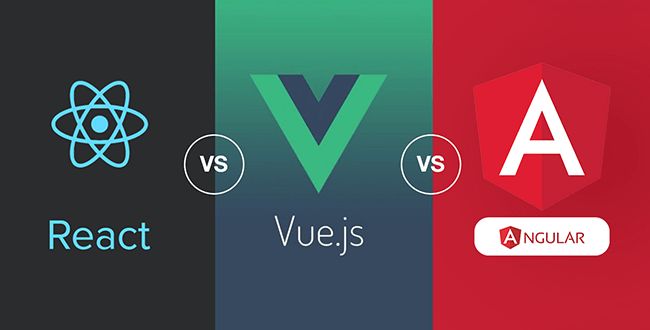
React vs Angular vs Vue: Which Framework Is Best for Your Project?
Choosing a JavaScript framework can feel overwhelming. React, Angular, and Vue are the three giants dominating web development in 2026, but which one should you pick? Let’s break down the key differences to help you decide.
The Popularity Contest
React leads the pack by a wide margin. It’s used by over 34 million live websites and boasts 39.5% usage among professional developers. Vue powers around 3.7 million sites with a growing community, while Angular runs on approximately 96,000 sites, primarily in enterprise environments. React’s dominance is clear, but popularity isn’t everything.
What Makes Them Different?
React is a flexible JavaScript library (not a full framework) developed by Meta. It focuses on building UI components and gives you complete freedom to choose additional libraries for routing, state management, and other features. This flexibility is both its strength and challenge, you have control but must make more architectural decisions.
Angular is a comprehensive, full-fledged framework created by Google. It uses TypeScript and includes everything out of the box: routing, forms, HTTP client, testing tools, and dependency injection. It’s opinionated, meaning it tells you how to structure your application, which can be beneficial for large teams needing consistency.
Vue is the progressive framework designed by Evan You. It sits between React’s flexibility and Angular’s structure, offering an intuitive, template-based syntax that’s beginner-friendly while remaining powerful enough for complex applications. Vue is particularly popular in Asia and Europe.
Learning Curve Matters
If you’re just starting, Vue is your easiest entry point with its straightforward syntax and excellent documentation. React sits in the middle, requiring understanding of JSX and hooks, while Angular has the steepest learning curve due to TypeScript requirements and its comprehensive architecture.
Performance and Use Cases
All three deliver solid performance for typical applications. React excels in projects needing flexibility and rapid development, making it ideal for startups and MVPs. Angular shines in large enterprise applications requiring structure, built-in tooling, and long-term maintainability. Vue hits the sweet spot for small to medium projects where you want simplicity without sacrificing capability.
Job Market Reality
React dominates job postings, offering the most career opportunities. Angular remains strong in enterprise sectors, especially for developers comfortable with TypeScript. Vue’s job market is smaller but steadily growing, particularly in specific regions and industries.
Conclusion
Choose React if you want the largest ecosystem, most job opportunities, and flexibility to structure projects your way. It’s the safest bet for career growth and has extensive community support.
Pick Angular if you’re building enterprise-scale applications, prefer opinionated frameworks with everything included, or are working with large teams requiring consistent structure.
Go with Vue if you value simplicity, want a gentle learning curve, or are building small to medium projects where development speed and clean code matter most.
There’s no wrong choice all three are mature, well-supported frameworks. Your decision should align with your project requirements, team expertise, and long-term goals. Start with one, build real projects, and remember: the best framework is the one that helps you ship quality products efficiently.